




I recall the very first time I deposited money into a casino account without reaching for my bank card https://casinon1live.gr/en-gb2/. It was almost too easy. I pressed a few buttons on my phone, verified with my fingerprint, and the funds showed up in my N1 Casino balance before I had finished pouring my morning coffee. That moment changed how I consider online gambling transactions completely. E-wallets have quietly reshaped the payment landscape, and if you are gambling from the UK, understanding how they work inside a platform like N1 Casino is not just convenient; it is a true strategic advantage. I want to take you through everything I have found out about using digital wallets here, from the inner workings of deposits and withdrawals to the security architecture protecting your money, the way bonuses interact with different payment methods, and the subtle differences between major e-wallet providers. This is practical knowledge you need to shift funds with confidence and go back to what you actually came for: enjoy the thousands of slots, live dealer tables, and instant-win games ready in the lobby.
The Real Mechanics Underlying E-wallet Deposits
When I carry out a deposit at N1 Casino using an e-wallet, I am not sending money directly from my bank to the casino. The process is more intricate, and understanding it explains why the speed feels almost magical. My e-wallet acts as a digital intermediary, a buffer layer storing funds I previously loaded from my bank account, debit card, or received from another user. When I initiate a deposit, the e-wallet provider approves a transfer from my stored balance to the casino’s merchant account. The casino receives an instant confirmation code via the payment gateway, and my player account is topped up in real time. There is no delay for BACS clearing cycles, no overnight batch processing, and no intermediary bank scrutiny that sometimes flags gambling transactions. The entire chain concludes in under ten seconds on a stable connection. I have tried this repeatedly with Skrill, Neteller, and PayPal, and the result is always the same: funds are playable before the deposit confirmation screen finishes animating. This immediacy is crucial enormously when I see a live blackjack seat about to close or a limited-time tournament about to start.
Behind the scenes, N1 Casino links with multiple e-wallet APIs through a unified payment orchestration layer. The casino does not construct separate connections for each wallet; instead, it works with payment aggregators that normalise the data flow. When I pick Skrill, the cashier module contacts the aggregator, which sends the request to Skrill’s servers, handles the two-factor authentication challenge on my phone, and sends back an approval token. The casino never sees my e-wallet password or underlying bank details. It only receives a tokenised confirmation and a masked identifier, typically my email address or a truncated wallet ID. This tokenisation is the unsung hero of e-wallet security. The key takeaway is that e-wallet deposits are not just fast by coincidence; they are architecturally designed to avoid friction points that slow traditional banking channels. That design philosophy aligns perfectly with how I want to play: minimal waiting, maximum immediacy.
How E-wallets Engage with Bonuses and Promotions
I found out the hard way that not all payment methods work equally well with casino bonuses. Early in my online gambling experience, I funded with a method not included from the welcome offer terms and forfeited a substantial match bonus because I had not read the fine print. At N1 Casino, e-wallet deposits are generally eligible for the full range of promotions, but I always review specific terms for each campaign before topping up my account. The welcome package, which typically includes a matched deposit bonus across your first several deposits plus free spins on selected slots, usually accepts Skrill, Neteller, and PayPal alongside debit cards and bank transfers. Some operators in the UK market have historically limited e-wallet eligibility for certain bonuses due to past abuse patterns where players would claim bonuses, meet wagering requirements minimally, and rapidly cash out via e-wallets before proper checks finished. N1 Casino has taken a more balanced stance, accepting e-wallet users while keeping reasonable wagering requirements and verification procedures that apply equally irrespective of payment method.
The wagering contribution of different game categories is important more than the deposit method when I am working through a bonus. Here is what I typically find at N1 Casino:
- Slots make up 100% toward wagering requirements—every pound wagered counts fully toward unlocking bonus funds.
- Table games like blackjack and roulette often contribute 10% or even 5%, because their lower house edge makes bonus clearing simpler.
- Live dealer games may have specific contribution rates, sometimes as low as 5% based on the variant.
- Video poker and specialty games typically land somewhere between 10% and 50% contribution.
I take care to checking the bonus terms page at N1 Casino before playing with active bonus funds, because understanding these contribution percentages helps me plan my session efficiently. If I have a £100 bonus with a 35x wagering requirement, I need to wager £3,500 before the bonus converts to withdrawable cash. Knowing that slots contribute 100% while roulette contributes 10% tells me I would need to wager £35,000 on roulette to achieve the same result, a dramatically different proposition. This calculation is independent of whether I deposited with an e-wallet or a bank card, but the e-wallet’s instant processing means I can take advantage of on time-sensitive promotions without worrying about deposit delays eating into the offer window.
Mobile E-Wallet Integration and the Application Experience
I do a large part of my N1 Casino gaming on my iPhone, and the mobile e-wallet experience deserves its own examination because it differs meaningfully from desktop. When I click the deposit button in the mobile browser or dedicated app, the cashier identifies my device and optimizes the payment flow in response. For Skrill and Neteller, this results in I am redirected to a mobile-responsive authentication page offering biometric login. Instead of inputting my password, I place my thumb on the home button or let Face ID scan my face, and the transaction authorises in under two seconds. This biometric handshake is not just handy; it offers a security layer that passwords cannot match, because my fingerprint or facial geometry is not susceptible to phishing or keylogged. PayPal’s mobile flow operates in a similar way, with the added option of one-touch checkout if I have turned on it in my PayPal settings, letting me to complete a deposit without exiting the casino interface at all. This seamless experience maintains me in the gaming zone rather than fiddling through payment screens.

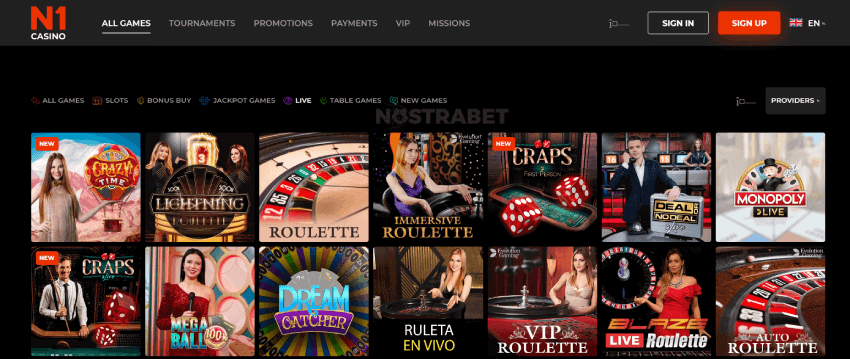
The mobile experience also highlights the importance of e-wallet apps being configured and configured correctly before I start playing. I keep my Skrill, Neteller, and PayPal apps current and signed in on my phone, with notifications turned on for transaction alerts. This ensures when I begin a withdrawal from N1 Casino on my mobile, I obtain a push notification the instant funds hit my e-wallet, often within seconds of the casino’s approval. That immediate feedback loop is gratifying and reassuring. It closes the transaction mentally and allows me to continue with my day instead of refreshing my email for confirmation that may not arrive for hours with traditional banking. N1 Casino’s mobile interface positions the cashier icon visibly in the navigation bar, making it reachable within one tap from any game screen. The entire deposit flow, from pressing the cashier icon to viewing my updated balance, takes me less than thirty seconds on a 4G connection, and the withdrawal request process is equally streamlined. This mobile-first design demonstrates the reality that a considerable share of UK players, myself included, opt to gamble on handheld devices rather than desktop computers.
Cashout Speed and the Processing Timeframe
If deposits are about instant pleasure, withdrawals are where e-wallets genuinely earn their place in my payment toolkit. I have taken out winnings from N1 Casino to bank accounts, and the three-to-five business day wait feels unbearable when you are excited to enjoy your profits. E-wallet withdrawals flip that script entirely. Once the casino’s finance team approves my request, typically within a few hours during business days, the funds land in my e-wallet within minutes. I have clocked this on multiple occasions. A withdrawal approved at 2:00 PM on a Wednesday arrived at my Skrill balance at 2:07 PM. Another approved at 10:00 AM on a Monday arrived at my PayPal account by 10:04 AM. The bottleneck is not the payment rail itself; it is the internal review period that any licensed casino must perform for anti-fraud and responsible gambling checks. N1 Casino, operating under its regulatory obligations, carries out these checks diligently, but once cleared, the e-wallet payout is essentially instantaneous.
Let me clarify the difference between pending time and processing time. The pending period is when the casino examines your request and you can still cancel the withdrawal from your account history if you reconsider. This reversal option is a deliberate feature, not a delay tactic, and it can be useful if I opt to jump back into a game. The processing time commences after the pending window ends and the finance department approves the transaction. For e-wallets, that processing time is counted in minutes, not days. One thing to remember: N1 Casino usually requires me to withdraw funds back to the same e-wallet I used for depositing. This is a typical industry practice called a closed-loop policy that stops money laundering. If I deposited with Neteller, my withdrawal must go to that same Neteller account. This is not a casino-specific quirk; it is an anti-fraud measure included UK Gambling Commission licence requirements, and I value the protection layer it adds even if it sometimes limits my flexibility.
N1 Casino
N1 Casino enhances this e-wallet budgeting capability with its own suite of responsible gambling tools reachable from my account settings. Deposit limits can be set on a daily basis, and these limits apply irrespective of which payment method I use. If I set a £200 weekly deposit limit and try to exceed it, the casino blocks the transaction even if my e-wallet has sufficient funds. Reality checks pop up at intervals I choose, reminding me how long I have been playing and displaying my net position for the session. The self-exclusion option allows me to block access to my account for a defined period, during which the casino will not process deposits or send promotional materials. These tools work in concert with e-wallet features like Skrill’s transaction history, which lets me export a complete record of my gambling-related payments for personal review or for sharing with support organisations if needed. I recommend every player to explore both the casino’s responsible gambling page and their e-wallet’s spending insights dashboard. Here are the key tools I recommend activating immediately:
- Set a weekly deposit limit that matches the amount you pre-load into your e-wallet for gambling.
- Activate reality check pop-ups at 30-minute intervals to maintain awareness of session duration.
- Activate e-wallet push notifications for every transaction so you observe spending in real time.
- Complete identity verification early to avoid withdrawal delays that might tempt you to cancel and replay winnings.
Protection System That Secures Your Funds
I used to assume e-wallets were not as safe than banks, a bias many people share until they review the actual technology. The reality was surprising. When I transact with an e-wallet at N1 Casino, I am leveraging multiple security layers that traditional card payments fall short of. The most critical is tokenisation. My actual bank account number, sort code, and debit card PAN do not reach the casino’s servers. Instead, the e-wallet creates a unique transaction token that represents value without disclosing the underlying funding source. Even if a malicious actor seized the transaction data, they would get a single-use or limited-use token that cannot be repeated or reverse-engineered to access my bank account. This tokenisation happens at the e-wallet provider’s end before the payment instruction reaches the casino’s payment gateway. N1 Casino obtains confirmation of payment, not my financial identity. Comprehending this distinction altered my entire perspective on digital wallet safety.
Beyond tokenisation, every e-wallet transaction I make is secured in Transport Layer Security encryption, typically TLS 1.3, establishing an encrypted tunnel between my browser and the payment processor. I also enable two-factor authentication on every e-wallet I use, meaning even if someone got my password, they would need physical access to my phone to approve a transaction. Some e-wallets, including Skrill and Neteller, offer device fingerprinting and geolocation checks that mark login attempts from unfamiliar locations. N1 Casino supplements these provider-side measures with its own security infrastructure. The platform utilizes SSL encryption across its entire domain and follows PCI DSS compliance standards for handling payment data, even though e-wallet transactions minimize the scope of sensitive data the casino handles. The casino also operates under a licence mandating segregation of player funds from operational accounts, indicating my deposited balance is kept in protected accounts separate from the company’s business capital. This segregation assures funds I send via e-wallet remain protected even in worst-case corporate scenarios.
Safe Gambling Instruments and E-wallet Payment Oversight
A facet of e-wallet usage I rarely see discussed sufficiently is the way these payment options can support responsible gambling practices. E-wallets give me a natural budgeting mechanism that bank cards do not. When I load a specific amount into my Skrill or Neteller account at the start of the week, I create a hard boundary around my gambling spend. Once that balance is depleted, I cannot make further deposits without consciously reloading the wallet, which introduces a pause and a deliberate decision point. This is fundamentally different from using a debit card linked directly to my current account, where the funds available are effectively my entire bank balance. The e-wallet acts as a firewall between my gambling budget and my household finances. I have found this separation psychologically powerful. It transforms gambling spend from an abstract number on a bank statement into a tangible, finite pool of funds I can see depleting in real time. That visibility alone has helped me maintain discipline during longer sessions.
Comparing the Major E-wallet Choices Offered
N1 Casino supports several e-wallet brands, and I have tried all of them adequately to understand their unique personalities. Skrill has acted as my go-to for years. It delivers a straightforward platform, quick payments, and a prepaid card option that allows me spend casino winnings straight at any retailer accepting Mastercard, with no need for first sending to my bank. The Skrill loyalty program, known as Knect, gives points for activities that I can cash in for cash benefits, bringing a small but pleasant degree of value to my routine gambling pursuits. One disadvantage is that Skrill at times imposes a modest fee for topping up the wallet via specific options, though bank transfers are usually free. Neteller, Skrill’s sister label under the Paysafe Group, works similarly but contains tools tailored toward higher-volume users, such as slightly higher transaction caps and a VIP programme with personal account management. I find Neteller particularly useful when arranging longer periods with greater deposits and withdrawals, as the increased ceilings cut the number of separate transactions I must to oversee.
PayPal holds a different niche, and its offering at N1 Casino is significant because many UK players already have PayPal accounts for everyday online shopping. The familiarity factor should not be underestimated. When I see the PayPal logo in the cashier, I know exactly what to expect: a login flow I have finished hundreds of times, buyer protection policies I know, and a well-documented dispute resolution process. PayPal’s transaction speed keeps pace with Skrill and Neteller for both deposits and withdrawals. The key difference is that PayPal tends to be more conservative with gambling transactions in certain jurisdictions, but within the UK market where N1 Casino holds proper licensing, PayPal manages gambling payments smoothly. PayPal sometimes puts a temporary hold on larger withdrawals for additional verification, a practice that can add a few hours but ultimately protects my security. Other e-wallets that may show up include MuchBetter, a mobile-first wallet using device-based security and dynamic CVV codes, and ecoPayz, which offers multi-currency accounts useful if I ever play across different currency denominations. Each wallet has its own fee structure for loading funds, so I always check the provider’s current schedule before selecting which one to use for a given session.
Picking the Right E-wallet for Your Playing Style
I don’t think there is a single best e-wallet for everyone. The right choice depends on how you play, how often you transact, and what you care about most in a payment experience. I have developed a mental framework for matching wallets to player profiles, and I want to share it because it has protected me from unnecessary fees and friction over the years.
For the Occasional Weekend Player
If you log in once or twice a week, deposit modest amounts, and withdraw occasionally, PayPal is probably your top option. You likely already have an account, you believe in the brand, and the flat familiarity lowers cognitive load during what should be a relaxing leisure activity. The transaction limits are more than adequate for casual play, and the ability to see your gambling spend alongside your regular PayPal activity provides a useful consolidated view of your discretionary outgoings.
For the Regular Slot Enthusiast
If slots are your primary game and you play several times per week, Skrill provides the best combination of speed, loyalty rewards, and the prepaid card feature. The Knect points accumulate meaningfully over regular use, and the ability to instantly move winnings onto a physical card for everyday spending eliminates the bank transfer waiting period entirely. I have found the Skrill mobile app particularly responsive for quick deposits when I want to jump into a new slot release without delay.
For the High-Volume Table Game Player
If you play blackjack, roulette, or baccarat with bigger stakes and anticipate to move substantial sums in both directions, Neteller’s increased limits and VIP infrastructure turn it the obvious choice. The specialized support line for Neteller VIP members has handled rare transaction queries for me within minutes, and the increased transaction ceilings mean I am not dividing a single withdrawal across multiple smaller transfers, which some lower-tier wallets might need.
Getting Started with Your Initial E-wallet Transfer
If you have not used an e-wallet at N1 Casino in the past, the setup procedure is simple, and I will walk you through it step-by-step. Firstly, pick your e-wallet provider. I suggest going with one you could already have, for example PayPal, or setting up a Skrill account if you would like a gambling-focused wallet with strong loyalty features. Opening the account takes approximately five minutes. You will need to supply your name, address, date of birth, and email, and you must authenticate your identity by uploading a photo ID and a recent utility bill or bank statement. This verification is a regulatory obligation, not an optional choice, and it reflects the verification N1 Casino will require you to carry out on your player account. Finishing both verifications early prevents delays when you wish to withdraw. Once your e-wallet account is verified, attach a funding source. For the majority of UK players, this will be a debit card or a bank transfer. Credit cards are no more accepted for gambling-related e-wallet funding under UKGC rules, so do not try to use one.
After your e-wallet loaded and set, sign into your N1 Casino account and head to the cashier. Pick the deposit tab and select your e-wallet from the selection of offered methods. Input the amount you want to deposit, keeping in mind any minimum deposit limits for bonus qualification. The casino will send you to your e-wallet’s login page or display a safe pop-up window. Authenticate using your credentials and any two-factor authentication check. Validate the payment amount and confirm the transaction. The window will disappear, and you will return to the casino lobby with your new balance visible. For withdrawals, the process flips: go to the cashier, pick withdraw, choose the same e-wallet you used for depositing, enter the amount, and submit. The casino will handle the request after its usual review period. I recommend completing your account verification before submitting your first withdrawal, as this greatly accelerates the review. Upload your documents in the verification section of your account settings: proof of identity, proof of address, and proof of payment method ownership. Once verified, subsequent withdrawals complete faster because the finance team does not need to re-verify your credentials on every occasion. The entire ecosystem is built around speed, safety, and player control, steadily outdoing traditional banking channels on every indicator that counts to a player.